What are my rights when dealing with police in Canada?
I am pretty sure that most people have asked this question before but never really got a solid answer. You see, most videos and other resources found on the internet regarding one’s rights when dealing with police are usually about one’s right in the United States and not Canada. This website is a guide designed specifically for Canadians to answer this question.
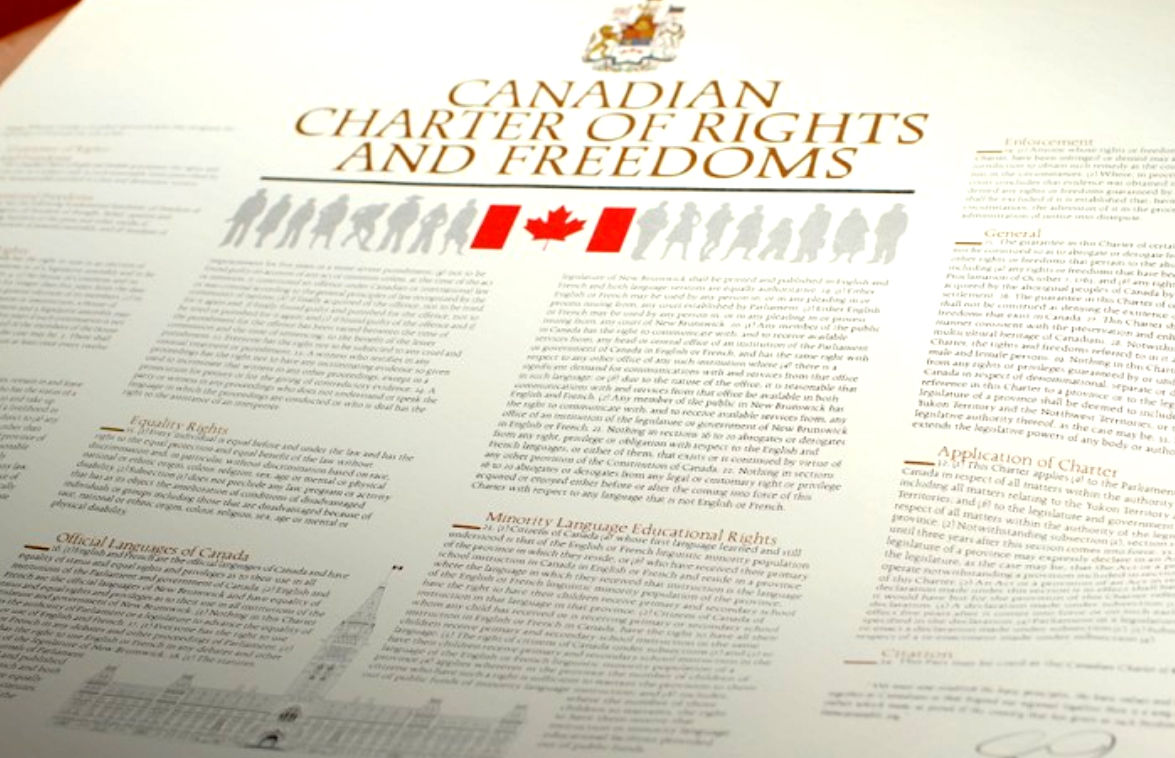
The Charter
The Canadian Charter of Rights and Freedoms is the basis for our fundamental rights here in Canada. Your rights when dealing with police are entrenched in the Charter of Rights and Freedoms. Here is a summary of the legal rights section of the Charter that deal with your rights when dealing with police (section 7-11).
7. Everyone has the right to life, liberty, security, and justice.
8. Everyone has the right to be free from unreasonable search and seizure .
9. Everyone has the right not to be detained or arrested randomly with no reasonable grounds.
10. When detained or arrested everyone has a right to quickly know the reason, their rights, and be released if their detention is unlawful.
11. Anyone charged with an offense has the right to know the specific offense and to a fair trial in a timely manner.
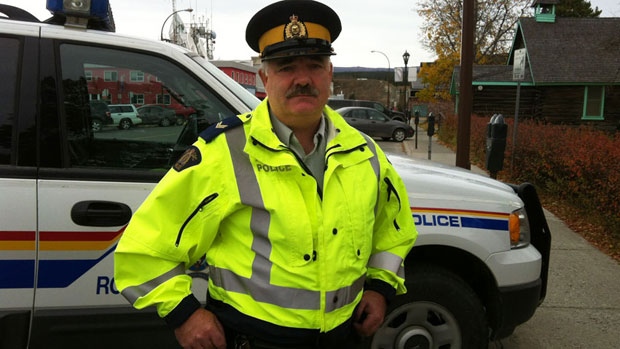
Ways you might encounter the police
You can find yourself dealing with the police in a variety of situations and your rights in one situation can slightly differ in other situations.
The most common situations you might be faced with dealing with the police are:
1. When you’re walking down the street.
When you’re walking down the street, police officers are allowed say “hi” or just talk to you. You are not obligated to speak or respond to the police but, if the police force you to be with them, then you are being detained and they would need reasonable grounds in order to do so (see Your rights when detained). In either case you have no obligation to say anything including your name or show ID and remaining silent is not a ground for suspicion.
Warning: While you are not obligated to say anything to the police but you should never lie to the police as you could be charged with a crime by doing so.
2. When you’re driving and you get pulled over by the police.
When you get pulled over by the police while driving (see Your rights when pulled over).
3. When you are caught doing something you really weren’t supposed to be doing (caught engaged in criminal activity). You should of known better>:(
If you were caught in the midst of committing something against the law and if it was a crime, the police can arrest you (see Your rights when arrested). The police would have all the reasonable grounds to do so if they catch you in the middle of the act. The police may also detain you (see Your rights when detained).
4. When you’re at home.
If the police come to your house and knock on your door, you do not have to speak to them or even answer the door. In general you do not have to let them in unless they have a search warrant, an arrest warrant for someone in the house, or in emergency situations (see Your search rights).
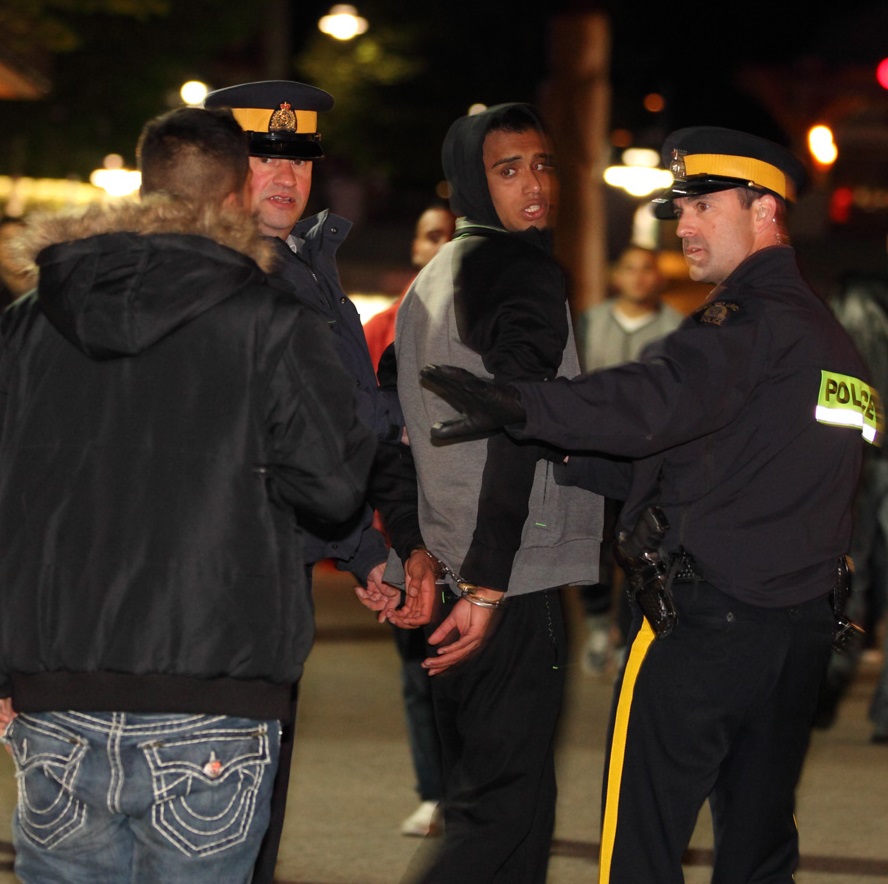
Your rights when detained
How do you know if you are being detained?
If you’re walking down the street and the police tells you to “stop” or “don’t move” to ask some questions, you are being detained. You can be detained by the police in numerous ways such as a group of police officers surrounding you, as long as they force you to be with them or prevent you leaving it is a detention.
The police officer detaining you must tell you that you are being detained according to section 10(a) of The Charter. If the police officer doesn’t tell you or if you don’t know, you can simply ask “Am I free to go?” If the police tells you that you are free, you can leave. If the police officer tells you otherwise then you are being detained and can only leave if the police allows you to.
What are my rights?
Section 9 of The Charter protects you from arbitrary detentions, meaning a police officer can’t just detain you randomly or because they don’t like the way you look. The police can only detain you when they have reasonable grounds to suspect that you are engaged in criminal activity, otherwise they must let you go in accordance to section 10(c) of The Charter.
When you are detained, you also have the right to say
absolutely nothing to the police including your name. However it is also
usually a good idea not to put up a fight (verbally or non-verbally) with the
police because when you are detained the police can either end up arresting you
or setting you free.
Can I see a lawyer?
You have the right to see a lawyer when you are detained in accordance to section 10(a) of the Charter.
Can they search me ?
The police may search you when you are being detained only if they have reasonable grounds to believe that you pose a safety risk to them. In general they can do a pat down but cannot search inside of your pockets (see Your search rights).
 Your rights when pulled over
Can the police just pull me over at any time?
If you are driving a vehicle, the police can stop you at any time, this is because driving is seen not as a right, but a privilege. They do not need any grounds to pull you over to check if your license has expired etc. However the police still cannot just pull you over because of the way you look or they will be breaching your right under section 9 of the Charter that protects you from arbitrary detentions.
You must also present your driver’s license, car registration and insurance on request. However, your passengers do not need to identify themselves as they are not the ones driving the car, unless the police have grounds to believe they are engaged in criminal activity.
If the police asks you questions, whatever you say could be used against you in court. For example if they ask you how fast you were going and you admit to speeding, what you have said may be used against yourself when you try to fight the ticket in court. It is therefore advisable that you be careful of what you say to the police so you won't say something that you will regret later on.
Police can also ask you to do a sobriety test, such as walking in a straight line if they suspect that you are impaired when they pulled you over. You do not have a right to see a lawyer before taking the sobriety test. However, if the police takes you to the police station for a breathalyser test, you do have the right to see a lawyer before doing so since you were taken to the police station.
Can they search my car?
The police do not have the right to search your car when you are pulled over unless the police have a warrant or reasonable grounds to suspect that you are engaged in criminal activity since you are protected from unreasonable search and seizure under section 8 of the Charter (see Your search rights).
 Your rights when arrested
When can the police arrest me?
The police can arrest you and place you under their custody if they have a warrant or they have reasonable grounds to believe that you have committed or are about to commit a crime.
Upon arrest, according to section 10(a) of the charter, the police must identify himself/herself, inform you that you are being arrested and why, inform you that you have a right to speak to a lawyer, inform you about Legal Aid and your right to free legal services, and inform you about your right to remain silent as whatever you say may be used as evidence against you. The police must also allow you to make one or more phone calls in order to successfully contact a lawyer.
If the police does not inform you of why you are being
arrested, you can politely ask the police officer why you are being arrested. Always be polite.
Always remain silent!
The police can ask you questions but it is in your best interest to exercise your right to remain silent and not answer them or even say anything until you can talk to a lawyer first as whatever you say may be used against yourself as evidence. The police are never your friends when you are arrested, they are trying to gather as much evidence as possible in order to convict you.
Warning: You should never resist an arrest as resisting arrest can lead to more criminal charges and the police is authorized to use as much force as necessary to prevent you from escaping. The police can even use serious or deadly force if you flee to escape an arrest and there are no other means to prevent escape, or if you pose a risk to the safety of others.
Can they search me?
When you are under arrest, the police can search you, anything that is on you, or anything around you including your vehicle (see Your search rights).
 Your search rights
The police will sometimes want to search you or your property to either find evidence or to find items that can cause harm to others such as a weapon. You should generally never grant police permission for a search if they ask you because a police search is almost never done in your interest. Anything found in a search can be used as evidence against you in court. Even if you have nothing to hide, it would be an invasion of privacy and you never know what you might actually have on yourself or your property.
If you feel that any of your search rights are being violated, you should only verbally object to the search; simply say “I object to any searches” to the police officer, do not resist. You can then contact a lawyer afterwards.
Your search rights differ depending on if it is your home, car, or person.
Your home:
Your home is your property, it is the most private place in regards to our law and is the most secure place from a police search. The police can generally only enter or search your home if they have a warrant or your permission, otherwise they will be trespassing on your property.
Some of the exceptional circumstances when the police can enter or search your home without a warrant include:
-emergency situations such as if a 911 call had been made from your home or in order to prevent death or serious injury to someone.
-if a fleeing suspect has entered the home (even if it is not the suspect`s home).
-if police have grounds to believe that entering a home is necessary to prevent the destruction of evidence.
If the police knocks on your door, you have no obligations to answer or talk to the police. If you grant police permission to enter your home they are still not allowed to search your home unless you give them further permission allowing them to do so.
They have a warrant. Now what?
If the police have a search warrant or an arrest warrant, they can search your home. However, they cannot unreasonably tear up the place to shreds while searching your home. If the police have a search warrant you may be detained while the search occurs.
Your vehicle: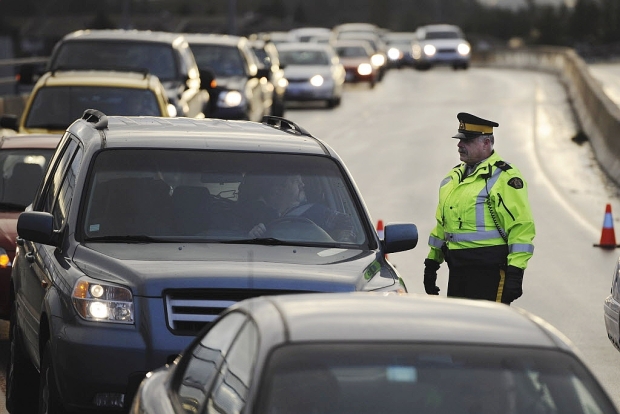
The police cannot search your vehicle unless they have reasonable grounds to suspect that you are engaged in criminal activity or if they have a warrant.
Police pulling you over in your car to check your sobriety or license etc. does not grant them the right to search your car.
Police, however, can look into the windows of your car and if they see anything suspicious, for example drugs, weapons etc., it can give them reasonable grounds to search your car. Therefore, it is advisable to keep questionable items away from plain view inside your car.
Your person:
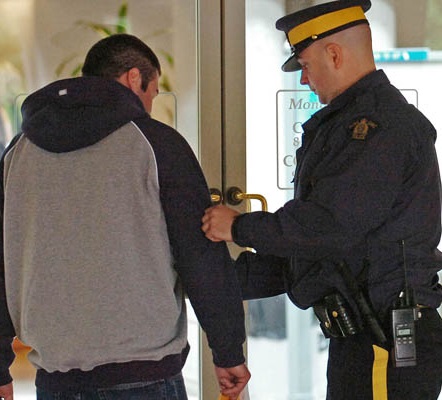
In most cases the police can only search you if you are arrested or if you give them the permission to search you.
The police can do a pat down but not search inside your pockets when you are being detained. This should only occur if they have reasonable grounds to believe that you pose a safety risk to them.
Some of the exceptional circumstances when the police can search you:
-if police believe that you have evidence to a crime and that it will be destroyed in the time it would take to get a search warrant.
-if the police reasonably believes you have drugs. For example, if you are at a place where they are searching for drugs.
